



AI Meeting Assistants Are Changing Who Gets Heard

16/11/2026
35
AI Meeting Assistants Are Changing Who Gets Heard

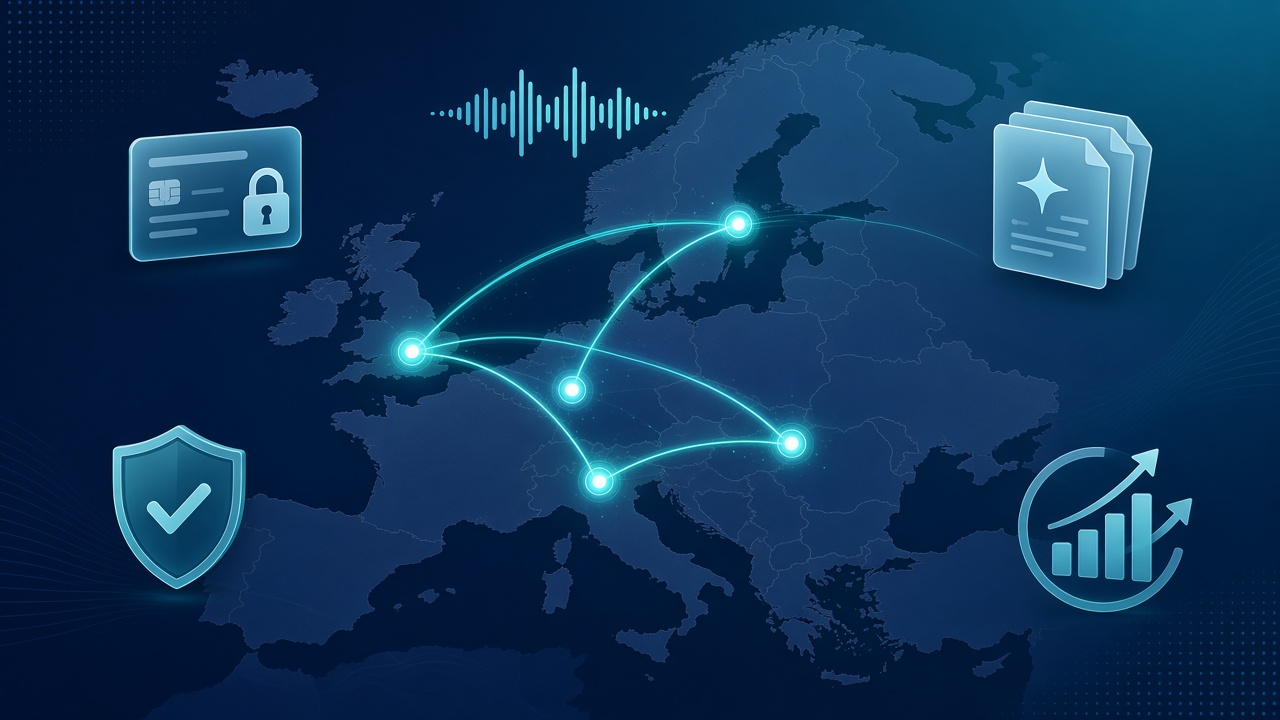
A meeting ends, everyone closes their laptop, and the AI-generated notes arrive before anyone reaches the coffee machine. For busy teams, AI meeting assistants can feel like a small workplace miracle: no more scrambling to capture decisions, chasing action items, or asking who volunteered for what. But once software becomes the official record of a conversation, it also gains influence over whose ideas are remembered, attributed, and acted on.

That matters in European tech workplaces where hybrid collaboration is now routine, teams often work across languages and borders, and inclusion is still far from guaranteed. A meeting assistant is not simply a productivity tool. It can shape visibility.

What AI Meeting Assistants Actually Do

AI meeting assistants typically record, transcribe, summarize, and identify follow-up tasks from calls. Some produce highlights by topic, draft emails, analyze talk time, or let participants search past meetings instead of watching an hour-long recording.

The practical case is obvious. Founders can spend less time documenting decisions. Product and engineering teams can preserve context across time zones. New hires can get up to speed without relying on informal handovers. For people with hearing differences, attention-related needs, or a non-native working language, transcripts and searchable recaps can make meetings more accessible.

The value is not limited to large organizations with dedicated operations teams. A five-person startup can use a reliable meeting record to reduce the invisible administrative work that too often lands on one organized colleague - frequently a woman - after everyone else has moved on to the next task.

Still, the word “reliable” deserves scrutiny. A polished summary is not the same as a complete or neutral account of what happened.

AI Meeting Assistants and the Politics of the Record

Every team has experienced the gap between a meeting and the story later told about it. Someone raises a useful concern, but the summary frames it as a minor question. A decision is treated as settled even though the room only reached a tentative compromise. An idea is credited to the person who repeated it most confidently, not the person who introduced it.

AI meeting assistants can reduce this problem by creating a transcript that people can check. They can also reproduce it at scale. Most systems are designed to identify themes, decisions, and speakers through patterns in language and audio. They may struggle with accents, crosstalk, quieter voices, technical vocabulary, code-switching, or the indirect communication styles common in international teams.

For women and underrepresented professionals, this is not an abstract concern. Research and workplace experience have long shown that interruptions, idea appropriation, and uneven speaking time affect who receives recognition. If the meeting summary becomes a default source of truth, leaders need to ask a more precise question than “Did it save us time?” They should ask: “Did it accurately preserve contribution and disagreement?”

A transcript can be useful evidence. An automated summary should remain a draft, especially for strategic discussions, performance conversations, hiring panels, or decisions that affect people’s careers.

Accessibility is a real gain, not a side feature

The inclusion case for these tools should not be dismissed. Written recaps can help colleagues process information at their own pace. Searchable records reduce the pressure to remember every detail in a fast-moving call. Captions can improve participation for deaf and hard-of-hearing professionals, while transcripts support colleagues working in a second or third language.

But accessibility requires choice. Some people may be uncomfortable being recorded, particularly in meetings involving sensitive personal experiences, employee relations, or early-stage ideas. A culture that treats recording as mandatory in every room can create a different barrier: people stop speaking freely.

The Privacy Question Is Bigger Than a Checkbox

For European businesses, meeting data is rarely just another software input. Calls can contain customer information, financial plans, health details, employment issues, intellectual property, and candid debate. A transcription tool may process all of it.

Teams should know where recordings and transcripts are stored, who can access them, how long they are retained, whether vendors use data to train models, and how a participant can request correction or deletion where applicable. These are operational questions, not legal fine print to leave until procurement is nearly complete.

The General Data Protection Regulation has made data governance familiar territory for many European organizations, but familiarity is not the same as good practice. “We told everyone the meeting was recorded” is a thin foundation for high-trust use. Consent, legitimate interest, employment law, works council expectations, and cross-border data transfers can all be relevant depending on the company and context.

The most responsible teams make their recording norms visible before the meeting begins. They explain the purpose, give participants a way to object or opt out when possible, and avoid recording sessions where the downside outweighs the convenience. An investor update and a manager’s sensitive one-on-one do not deserve the same default setting.

How to Introduce These Tools Without Damaging Trust

The strongest rollout is not a company-wide switch flipped by IT. It is a clear policy paired with a limited trial. Start with meetings where documentation has an obvious benefit and the subject matter is relatively low risk, such as project standups, customer discovery sessions with appropriate permission, or cross-functional planning.

Set expectations before the assistant joins the call. Participants should know whether it records audio, generates a transcript, creates a summary, identifies action items, or measures participation. They should also know who owns the output and where it will live.

Human review is the essential safeguard. Assign a meeting owner to check the summary, correct names and decisions, and confirm action items before treating the document as final. This is particularly important when an assistant marks a point as a decision simply because it detected confident language.

It also helps to establish a simple norm: meaningful contributions should be attributed deliberately. If a colleague proposed the approach, write their name beside it. If a decision remains open, say so. Good documentation should make credit clearer, not turn collaboration into an anonymous block of text.

Finally, evaluate the impact after a few weeks. Are teams spending less time on follow-up? Are people finding information more easily? Has recording changed participation in ways that managers need to address? Adoption metrics alone will not answer those questions.

Where the Technology Still Falls Short

AI meeting assistants are strongest at reducing routine administrative drag. They are weaker at context. They cannot reliably distinguish a joke from an objection, recognize power dynamics in a room, or understand that a pause may signal concern rather than agreement.

They also create an archive that can outlast the moment. A casual brainstorming session can become searchable months later, stripped of context. That may help continuity, but it can make teams more cautious. Innovation needs documentation, yet it also needs space for half-formed thoughts and productive disagreement.

There is no universal policy. A distributed product team may benefit from recording most operational calls. A leadership team discussing organizational change may decide that shared notes, written by a human, are the better option. The right approach depends on risk, team culture, and the nature of the work.

For managers, founders, and operators, the opportunity is to make meeting systems more equitable rather than merely more efficient. Technology can capture words. People still need to decide what counts as a decision, whose work gets credited, and what privacy a healthy workplace requires.

The next time an automated recap lands in your inbox, treat it as an invitation to check the record: Was the right action captured? Was the idea credited? Did everyone in the room have a fair chance to be heard? That small habit can keep convenience from quietly becoming control.

Recent

Cybersecurity News Apps Worth Your Attention

Breaking Tech Europe: Top 5 – Anne Boden Builds a Bank for AI Agents, Whitehall Hands ElevenLabs a £10.8m Voice Deal, and AI Floods Brussels

Microsoft's day-long outage shut Dutch courts' email and Amsterdam's service desks, while Berlin's on-premise servers kept running

Italy's privacy watchdog fines Meta €805m over Facebook's Android gallery access, and rejects Ireland's claim to the case

AI Meeting Assistants Are Changing Who Gets Heard

16/11/2026
35
AI Meeting Assistants Are Changing Who Gets Heard

A meeting ends, everyone closes their laptop, and the AI-generated notes arrive before anyone reaches the coffee machine. For busy teams, AI meeting assistants can feel like a small workplace miracle: no more scrambling to capture decisions, chasing action items, or asking who volunteered for what. But once software becomes the official record of a conversation, it also gains influence over whose ideas are remembered, attributed, and acted on.

That matters in European tech workplaces where hybrid collaboration is now routine, teams often work across languages and borders, and inclusion is still far from guaranteed. A meeting assistant is not simply a productivity tool. It can shape visibility.

What AI Meeting Assistants Actually Do

AI meeting assistants typically record, transcribe, summarize, and identify follow-up tasks from calls. Some produce highlights by topic, draft emails, analyze talk time, or let participants search past meetings instead of watching an hour-long recording.

The practical case is obvious. Founders can spend less time documenting decisions. Product and engineering teams can preserve context across time zones. New hires can get up to speed without relying on informal handovers. For people with hearing differences, attention-related needs, or a non-native working language, transcripts and searchable recaps can make meetings more accessible.

The value is not limited to large organizations with dedicated operations teams. A five-person startup can use a reliable meeting record to reduce the invisible administrative work that too often lands on one organized colleague - frequently a woman - after everyone else has moved on to the next task.

Still, the word “reliable” deserves scrutiny. A polished summary is not the same as a complete or neutral account of what happened.

AI Meeting Assistants and the Politics of the Record

Every team has experienced the gap between a meeting and the story later told about it. Someone raises a useful concern, but the summary frames it as a minor question. A decision is treated as settled even though the room only reached a tentative compromise. An idea is credited to the person who repeated it most confidently, not the person who introduced it.

AI meeting assistants can reduce this problem by creating a transcript that people can check. They can also reproduce it at scale. Most systems are designed to identify themes, decisions, and speakers through patterns in language and audio. They may struggle with accents, crosstalk, quieter voices, technical vocabulary, code-switching, or the indirect communication styles common in international teams.

For women and underrepresented professionals, this is not an abstract concern. Research and workplace experience have long shown that interruptions, idea appropriation, and uneven speaking time affect who receives recognition. If the meeting summary becomes a default source of truth, leaders need to ask a more precise question than “Did it save us time?” They should ask: “Did it accurately preserve contribution and disagreement?”

A transcript can be useful evidence. An automated summary should remain a draft, especially for strategic discussions, performance conversations, hiring panels, or decisions that affect people’s careers.

Accessibility is a real gain, not a side feature

The inclusion case for these tools should not be dismissed. Written recaps can help colleagues process information at their own pace. Searchable records reduce the pressure to remember every detail in a fast-moving call. Captions can improve participation for deaf and hard-of-hearing professionals, while transcripts support colleagues working in a second or third language.

But accessibility requires choice. Some people may be uncomfortable being recorded, particularly in meetings involving sensitive personal experiences, employee relations, or early-stage ideas. A culture that treats recording as mandatory in every room can create a different barrier: people stop speaking freely.

The Privacy Question Is Bigger Than a Checkbox

For European businesses, meeting data is rarely just another software input. Calls can contain customer information, financial plans, health details, employment issues, intellectual property, and candid debate. A transcription tool may process all of it.

Teams should know where recordings and transcripts are stored, who can access them, how long they are retained, whether vendors use data to train models, and how a participant can request correction or deletion where applicable. These are operational questions, not legal fine print to leave until procurement is nearly complete.

The General Data Protection Regulation has made data governance familiar territory for many European organizations, but familiarity is not the same as good practice. “We told everyone the meeting was recorded” is a thin foundation for high-trust use. Consent, legitimate interest, employment law, works council expectations, and cross-border data transfers can all be relevant depending on the company and context.

The most responsible teams make their recording norms visible before the meeting begins. They explain the purpose, give participants a way to object or opt out when possible, and avoid recording sessions where the downside outweighs the convenience. An investor update and a manager’s sensitive one-on-one do not deserve the same default setting.

How to Introduce These Tools Without Damaging Trust

The strongest rollout is not a company-wide switch flipped by IT. It is a clear policy paired with a limited trial. Start with meetings where documentation has an obvious benefit and the subject matter is relatively low risk, such as project standups, customer discovery sessions with appropriate permission, or cross-functional planning.

Set expectations before the assistant joins the call. Participants should know whether it records audio, generates a transcript, creates a summary, identifies action items, or measures participation. They should also know who owns the output and where it will live.

Human review is the essential safeguard. Assign a meeting owner to check the summary, correct names and decisions, and confirm action items before treating the document as final. This is particularly important when an assistant marks a point as a decision simply because it detected confident language.

It also helps to establish a simple norm: meaningful contributions should be attributed deliberately. If a colleague proposed the approach, write their name beside it. If a decision remains open, say so. Good documentation should make credit clearer, not turn collaboration into an anonymous block of text.

Finally, evaluate the impact after a few weeks. Are teams spending less time on follow-up? Are people finding information more easily? Has recording changed participation in ways that managers need to address? Adoption metrics alone will not answer those questions.

Where the Technology Still Falls Short

AI meeting assistants are strongest at reducing routine administrative drag. They are weaker at context. They cannot reliably distinguish a joke from an objection, recognize power dynamics in a room, or understand that a pause may signal concern rather than agreement.

They also create an archive that can outlast the moment. A casual brainstorming session can become searchable months later, stripped of context. That may help continuity, but it can make teams more cautious. Innovation needs documentation, yet it also needs space for half-formed thoughts and productive disagreement.

There is no universal policy. A distributed product team may benefit from recording most operational calls. A leadership team discussing organizational change may decide that shared notes, written by a human, are the better option. The right approach depends on risk, team culture, and the nature of the work.

For managers, founders, and operators, the opportunity is to make meeting systems more equitable rather than merely more efficient. Technology can capture words. People still need to decide what counts as a decision, whose work gets credited, and what privacy a healthy workplace requires.

The next time an automated recap lands in your inbox, treat it as an invitation to check the record: Was the right action captured? Was the idea credited? Did everyone in the room have a fair chance to be heard? That small habit can keep convenience from quietly becoming control.

Recent

© European Tech On Heels - 2026
Made with
Web Wings