



imec.istart expands to Spain, Germany and Bulgaria to build a six-country startup network

30/10/2026
2
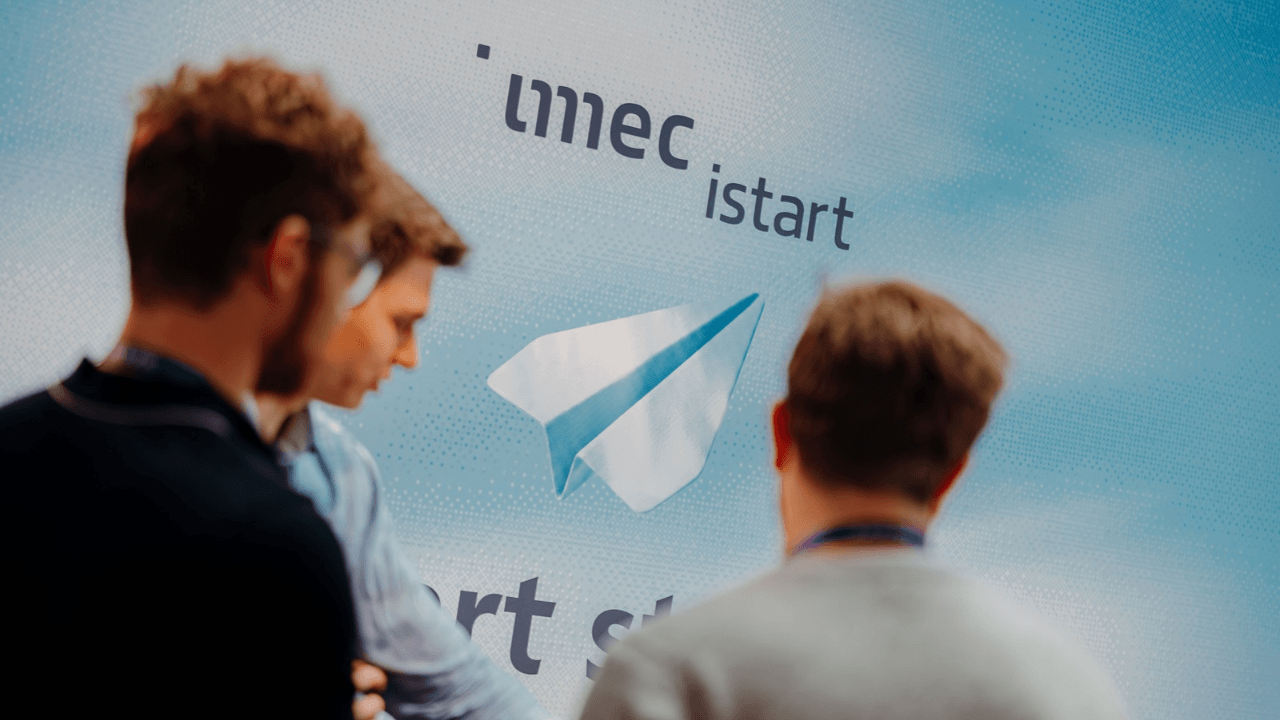
imec.istart paper-plane branding on a screen at an event

The Belgian accelerator is adding Spain, Germany and Bulgaria to its programmes in Belgium, the Netherlands and Italy, linking regional funds with more than €160M in investment capacity.

Image: imec.istart press image (photo: Vincent Gorissen), via Tech.eu.

imec.istart, the start-up accelerator of Belgian research centre imec, is expanding into Spain, Germany and Bulgaria. The move gives it start-up programmes and investment activity in six European countries, alongside its existing operations in Belgium, the Netherlands and Italy.

The expansion relies on a network of independently managed regional investment funds. imec.istart says these funds represent more than €160 million in investment capacity today, with an ambition to exceed €250 million by 2027. That is the combined capacity of the regional vehicles, not a single new fund. The aim is to give founders capital, expertise and contacts in each market they enter, so they don't have to start over every time they cross a border.

"It's not another fund Europe is missing. It's a way through the fragmented rules, capital and expertise that still separate every national market," said Sven De Cleyn, programme director at imec.istart. "The moment a founder sets foot in a new market, they should already have capital, expertise and networks waiting for them, not have to build it all over again from scratch."

Local partners, different deals

Rather than copying one template from country to country, each programme is built with regional partners: Novel-T in the Netherlands, Pariter Partners in Italy, Additio Capital, Eurecat and Mobile World Capital in Spain, the Baden-Württemberg Ministry of Economic Affairs, Skilled Crafts and Tourism in Germany, and C3BG in Bulgaria. The regional programmes share imec.istart's methodology, coaching and international investor network.

The financial offer differs by country. In Spain, imec.istart's programme page lists €250,000 in pre-seed funding and an 18-month acceleration programme for start-ups headquartered in Spain. The current Spanish call closes on 31 October. In Germany, the model uses public money: deep-tech start-ups with a German headquarters and meaningful business activity in Baden-Württemberg can receive €50,000 to €100,000 in non-dilutive grants from the state, plus 12 to 18 months of support. The next German call runs in February 2027. Bulgaria is listed as coming soon.

New look, 15 years in

The expansion comes with a rebrand built around a paper-plane symbol and the line "Start strong. Scale smarter." Founded in 2011, imec.istart says it has backed more than 380 start-ups, which have gone on to raise more than €1.25 billion in follow-on funding. Its alumni include Octave, DataCamp, Payflip and Deliverect.

Why it matters

Fragmentation is one of the most common explanations for why European start-ups scale more slowly than US rivals: 27 legal systems, separate capital markets and different business cultures. The EU's own policy answers, from the proposed "28th regime" to the savings and investments union, will take years. imec.istart is trying a practical, bottom-up version: tie locally rooted funds and partners into one network so that a Belgian, Spanish or German founder lands in the next market with introductions already in place. Whether the €250 million target is reached will show how much regional backers buy into the model.

Sources

  • imec.istart news release, "Imec.istart is going places", 29 October 2026
  • Tech.eu, 29 October 2026
  • imec.istart Spain and Germany programme pages (imecistart.com)

Recent

Dubai's BY Venture Partners closes $60M third fund and opens Lisbon office for European AI start-ups

Auriga Partners hits €80M interim close for second cybersecurity fund, with AI security in its sights

Freiburg's VUSE XR raises €1.2M to make mixed reality training as easy to update as a document

Norway's Fronted raises €1.7M to take on Deel and Rippling in cross-border hiring

imec.istart expands to Spain, Germany and Bulgaria to build a six-country startup network

30/10/2026
2
imec.istart paper-plane branding on a screen at an event

The Belgian accelerator is adding Spain, Germany and Bulgaria to its programmes in Belgium, the Netherlands and Italy, linking regional funds with more than €160M in investment capacity.

Image: imec.istart press image (photo: Vincent Gorissen), via Tech.eu.

imec.istart, the start-up accelerator of Belgian research centre imec, is expanding into Spain, Germany and Bulgaria. The move gives it start-up programmes and investment activity in six European countries, alongside its existing operations in Belgium, the Netherlands and Italy.

The expansion relies on a network of independently managed regional investment funds. imec.istart says these funds represent more than €160 million in investment capacity today, with an ambition to exceed €250 million by 2027. That is the combined capacity of the regional vehicles, not a single new fund. The aim is to give founders capital, expertise and contacts in each market they enter, so they don't have to start over every time they cross a border.

"It's not another fund Europe is missing. It's a way through the fragmented rules, capital and expertise that still separate every national market," said Sven De Cleyn, programme director at imec.istart. "The moment a founder sets foot in a new market, they should already have capital, expertise and networks waiting for them, not have to build it all over again from scratch."

Local partners, different deals

Rather than copying one template from country to country, each programme is built with regional partners: Novel-T in the Netherlands, Pariter Partners in Italy, Additio Capital, Eurecat and Mobile World Capital in Spain, the Baden-Württemberg Ministry of Economic Affairs, Skilled Crafts and Tourism in Germany, and C3BG in Bulgaria. The regional programmes share imec.istart's methodology, coaching and international investor network.

The financial offer differs by country. In Spain, imec.istart's programme page lists €250,000 in pre-seed funding and an 18-month acceleration programme for start-ups headquartered in Spain. The current Spanish call closes on 31 October. In Germany, the model uses public money: deep-tech start-ups with a German headquarters and meaningful business activity in Baden-Württemberg can receive €50,000 to €100,000 in non-dilutive grants from the state, plus 12 to 18 months of support. The next German call runs in February 2027. Bulgaria is listed as coming soon.

New look, 15 years in

The expansion comes with a rebrand built around a paper-plane symbol and the line "Start strong. Scale smarter." Founded in 2011, imec.istart says it has backed more than 380 start-ups, which have gone on to raise more than €1.25 billion in follow-on funding. Its alumni include Octave, DataCamp, Payflip and Deliverect.

Why it matters

Fragmentation is one of the most common explanations for why European start-ups scale more slowly than US rivals: 27 legal systems, separate capital markets and different business cultures. The EU's own policy answers, from the proposed "28th regime" to the savings and investments union, will take years. imec.istart is trying a practical, bottom-up version: tie locally rooted funds and partners into one network so that a Belgian, Spanish or German founder lands in the next market with introductions already in place. Whether the €250 million target is reached will show how much regional backers buy into the model.

Sources

  • imec.istart news release, "Imec.istart is going places", 29 October 2026
  • Tech.eu, 29 October 2026
  • imec.istart Spain and Germany programme pages (imecistart.com)

Recent

© European Tech On Heels - 2026
Made with
Web Wings