




Founders ask Brussels to withdraw EU Inc after member states strip out its central register and insolvency regime
The campaign behind EU Inc, backed by more than 26,000 founders and investors, has asked Ursula von der Leyen to withdraw the Commission's own proposal for a pan-European company form and table it again. National governments have cut the central EU register and the simplified insolvency regime, and capped tax-friendly stock options at 750 employees. The Commission says the problems can be fixed in trilogue negotiations.
The founders who spent two years lobbying for a single European company form now want the Commission to pull it. EU–INC and Startups for Europe sent a joint letter to Commission President Ursula von der Leyen this week. On Thursday they put the same demand to commissioners Henna Virkkunen and Ekaterina Zaharieva at a roundtable at the Slush conference in Helsinki, Politico Europe reported. Their request: withdraw the "28th regime" proposal, renegotiate it and re-table it.
Germany's Handelsblatt called the move a surprise and said the reform is now likely to be delayed (translated). In Sweden, Breakit reported on Friday that "a broad front" of tech figures and investors has gone "from a warning to a demand" (translated). Victor Englesson, a partner at EQT, told the site that "several crucial parts have been weakened or have disappeared" (translated).
What the member states took out
The dispute centres on the Council's negotiating mandate of 19 October. According to an analysis by law firm Dentons, governments deleted the insolvency chapter, so failing start-ups stay under national law. They also dropped the central EU register and real-time tracking, which leaves 27 national registers in place. The harmonised tax treatment of employee stock options now applies only to companies with fewer than 750 staff and no more than €150m in annual turnover. Governments also get more room to challenge a founder's choice of where to register, and the implementation period grows from 12 to 21 months.
"If we strip away the things that make it work, founders will simply incorporate elsewhere," said Andreas Klinger, co-initiator of EU–INC. The campaign's test is whether a founder would pick EU Inc over a Delaware C-Corp. In its view, the Council text fails that test.
Who loses if the text stands
Scale-ups lose the most. The stock-option cap excludes the companies for which options matter most: those that are hiring fast and approaching an exit. Jeannette zu Fürstenberg, managing director of General Catalyst, told Politico that the current version risked becoming a "Frankenstein that the whole world will laugh at". Investors lose the single insolvency route that would have made winding down a portfolio company cheaper and more predictable. National governments are the winners. They keep control of registers, tax and insolvency.
Reasons for scepticism
Withdrawal is a high-risk tactic. It would restart a file that the Commission published only this year, and nothing guarantees that a re-tabled text would get through 27 capitals in better shape. Even Dentons cautions against reading the Council position as simple dilution. The 48-hour, €100 online incorporation, no minimum capital and venture-style share classes all survive. The tech elite is also not united. A separate declaration by 38 executives at Slush, including Spotify's Daniel Ek and Skype co-founder Niklas Zennström, called EU Inc "the most important first step" and did not ask for withdrawal.
What next
The European Parliament has not yet adopted its position. Lead MEP René Repasi's report has not cleared committee, and he urged supportive groups to "quickly reach a common parliamentary position". Justice Commissioner Michael McGrath said the Commission wants to "preserve the ambition" and called the coming trilogues "an important opportunity to address outstanding concerns". He did not respond directly to the withdrawal demand.
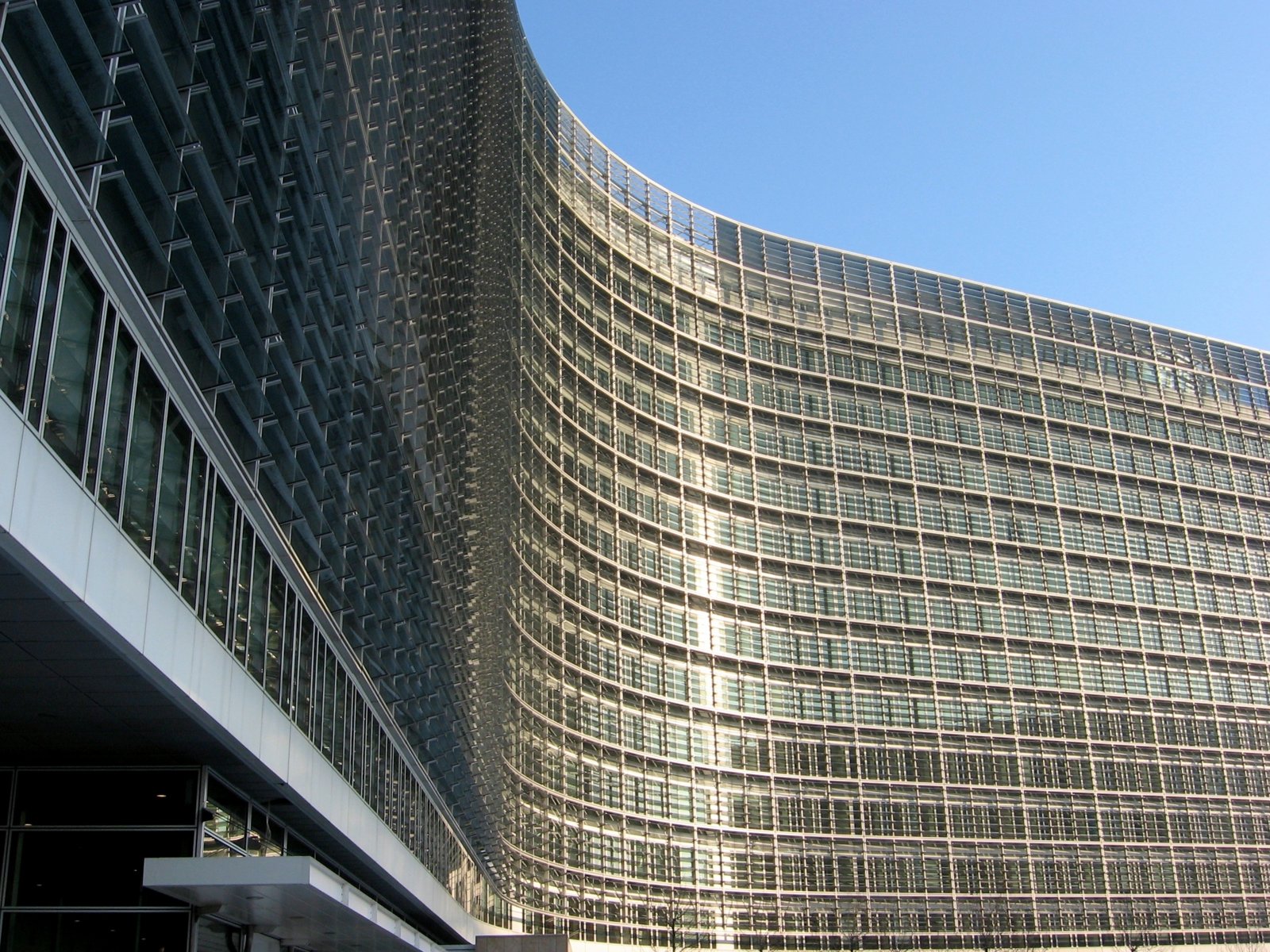
Photo: tpholland via Wikimedia Commons (CC BY 2.0)
Sources
- Breakit (Jonas Leijonhufvud), "Techuppror mot EU Inc: 'Dra tillbaka'", 20 Nov 2026
- Politico Europe (Pieter Haeck, Jacob Parry), 19 Nov 2026
- Tech.eu (Cate Lawrence), 19 Nov 2026
- Handelsblatt (Nadine Schimroszik, Olga Scheer), 19 Nov 2026
- Dentons, "EU Inc.: The Council draws the boundaries of the 28th regime", 9 Nov 2026