Isomorphic Labs raises $5bn, Europe's biggest venture round, but its first AI-designed drug is still only heading for the clinic

London's Isomorphic Labs, the Alphabet-backed DeepMind spinout led by Nobel laureate Demis Hassabis, has raised $5bn six months after a $2.1bn round. The money is mostly American, the valuation is undisclosed, and the company's own target of human trials by the end of 2026 has six weeks left to run.
Isomorphic Labs has raised $5bn in a Series C round co-led by Greenoaks and Sequoia Capital, the London-based AI drug-discovery company said on Tuesday. Andreessen Horowitz joined as a new investor. Alphabet made what Isomorphic called a "continued significant investment", and every existing backer followed on: Thrive Capital, Abu Dhabi's MGX, Alphabet's GV and CapitalG, Singapore's Temasek and the UK Sovereign AI Fund.
By amount, it is the largest single equity round raised by a European technology company. It is well ahead of the $3.5bn (€3bn) Series D that Paris-based Mistral AI raised in September at a valuation of more than $24bn, which Crunchbase described at the time as a record European AI round. It also comes just six months after Isomorphic's $2.1bn Series B in May, led by Thrive, and follows a $600m first round in 2025. Disclosed funding now totals about $7.7bn.
Isomorphic did not disclose a valuation. Bloomberg reported earlier this month that the company was seeking to raise at around $50bn, according to TechCrunch. Handelsblatt called it "by far Europe's most valuable AI start-up" (translated) and noted that the sum "is larger than the annual research budget of some pharmaceutical groups" (translated). The Series B was reportedly priced at $10bn-$17bn post-money, BioCentury said.
A pipeline still in the lab
The ambition is clear. The evidence is thinner. Isomorphic was spun out of Google DeepMind in 2021 to commercialise the science behind AlphaFold, the protein-structure model that earned Hassabis and John Jumper a share of the 2024 Nobel Prize in chemistry. The company says its proprietary drug design engine, IsoDDE, is "generating molecules with unprecedented precision and speed", and it reports "positive preclinical results" in oncology and immunology, TechCrunch reported. It has partnerships with Eli Lilly, Novartis and Johnson & Johnson.
The company has not yet put a drug into a human trial. When it raised in May, Isomorphic told Reuters it expected its first clinical trials by the end of 2026, which was already later than Hassabis's earlier goal of the end of 2025. Tuesday's announcement still describes the company as "driving our first therapeutic programs towards clinical trials". That describes a goal, not a trial already under way.
Sceptics have been sounding warnings since the valuation rumours started. In an October perspective for BioCentury, Stephen Hansen, its director of biopharma intelligence, argued that a $50bn price for a preclinical biotech "is incongruent with biotech market comparators" and would require near-perfect clinical execution to justify.
Why it matters for European tech
On paper, the round is a win for London. Isomorphic is headquartered there and keeps the UK state's AI fund on its cap table. Hassabis also stepped down as DeepMind chief executive in August to become its chairman and Alphabet's chief scientist, saying he would spend more time on Isomorphic. But the round again shows where Europe's biggest cheques come from. The lead investors are US venture firms, the follow-on money comes from Alphabet, Gulf and Singaporean state-linked investors, and there is no European lead.
Isomorphic says the money will go into "foundational biology models", new bioengineering infrastructure and a wider partner network. The real test comes next: whether the first IsoDDE-designed molecule enters a human trial before the end of the year, as the company promised in May.
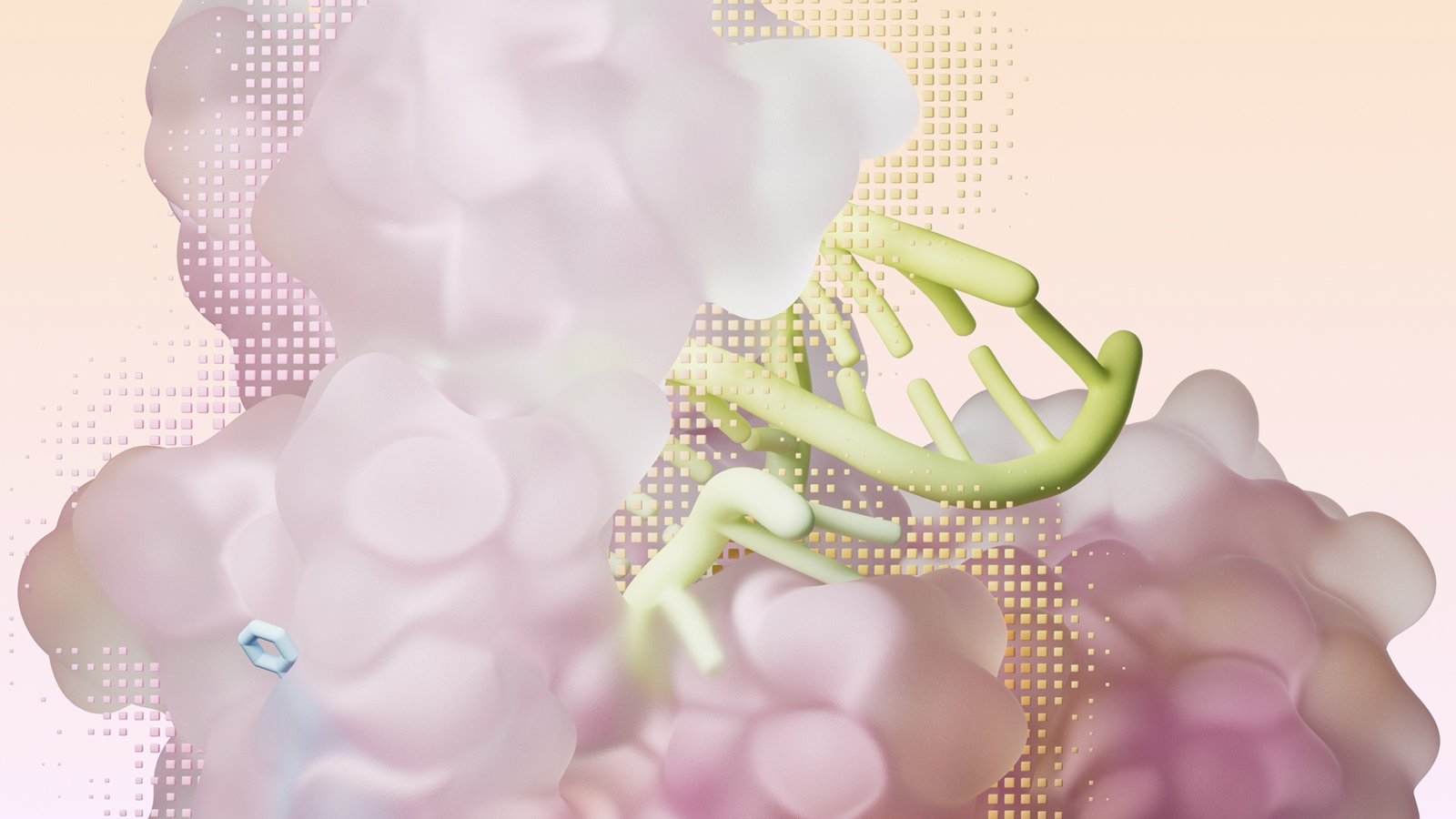
Illustration: Isomorphic Labs (computer-generated molecular render issued with the Series C announcement)
Sources
- Isomorphic Labs, "Isomorphic Labs announces Series C investment round", 17 Nov 2026
- TechCrunch (Ram Iyer), 17 Nov 2026
- Sifted (Martin Coulter), 17 Nov 2026
- SiliconANGLE (Maria Deutscher), 17 Nov 2026
- Handelsblatt, 17 Nov 2026 (German)
- Reuters via Yahoo Finance, 12 May 2026
- Crunchbase News, 8 Sep 2026
- BioCentury (Stephen Hansen), 16 Oct 2026
- Reuters on Hassabis role change, 5 Aug 2026