

Qred and Liberis close Nordic Capital-backed merger, putting a Swedish bank licence behind a €250m-revenue small-business lender

Swedish regulators have cleared the combination of Stockholm's Qred and London's Liberis. The merged group says it serves more than 60,000 small businesses in 17 countries, but neither side will say what the deal was worth or how the two brands will eventually fit together.
Qred, the Stockholm digital bank for small businesses, and Liberis, the London embedded-finance lender, completed their merger on Monday after approval from Finansinspektionen, Sweden's financial supervisor, the companies said in a joint statement issued in English and Swedish.
The deal, first announced in June, is engineered by private equity firm Nordic Capital, which has backed Qred since 2021 through its Evolution fund and agreed to buy Liberis outright. On completion, Nordic Capital XI becomes majority shareholder of the combined company, Nordic Capital Evolution I keeps a stake and Oslo-based Verdane joins as co-investor, according to Nordic Capital's June announcement. Qred founder Emil Sunvisson stays on as a minority shareholder.
Two routes to the same customer
The logic is distribution. Qred, founded in 2015, built direct relationships with small firms and later won a full banking licence, which lets it fund loans with customer deposits rather than more expensive wholesale money. Liberis, founded in 2007, does not lend to businesses directly. It sells financing through more than 30 partner platforms that merchants already use, including Deliveroo, Vagaro and Nexi.
Put together, the group says it has access to roughly 11.5 million addressable merchants. In June, Nordic Capital put combined revenue above €250 million and headcount at about 600.
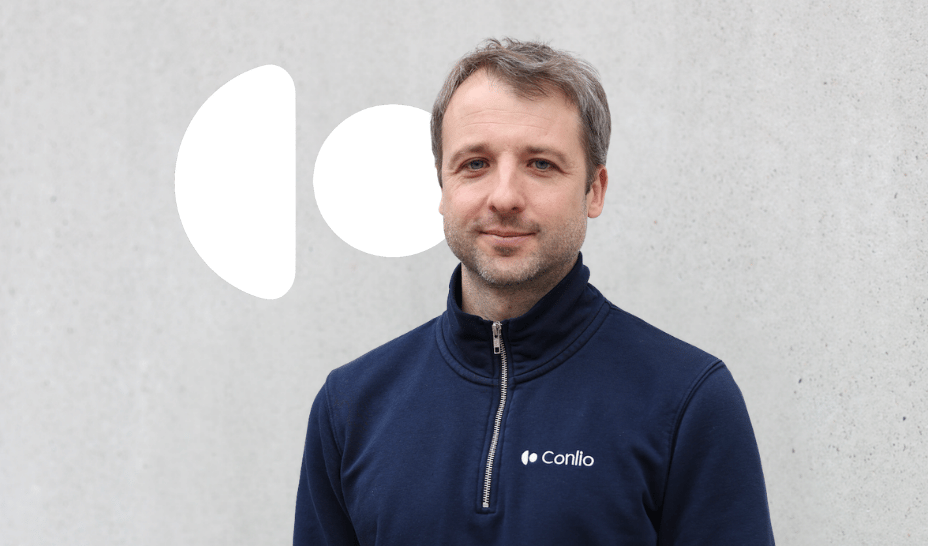
Sunvisson becomes group chief executive and Liberis chief executive Rob Fairfield becomes his deputy. "SMBs are the economic engine of global commerce, yet they remain systematically underserved by legacy financial institutions," said Emil Anderson, a partner at Nordic Capital Advisors.
What is not disclosed
Several things remain unclear. The parties agreed in June not to disclose financial terms, and Monday's statement adds none. No figures were given on loan books, credit losses or profitability, which are the numbers that matter most for a lender whose customers are among the first to struggle in a downturn.
The customer count has also shifted. In June the companies cited "more than 53,000" active small-business customers. On Monday it was "more than 60,000". They did not say whether that reflects growth, a different definition or both.
Both brands, products and partner integrations will continue unchanged "for now", and further detail on product development and "longer-term brand plans" will follow once finalised, the companies said.
Why it matters
The merger is one of the larger fintech consolidations in Europe this year. It also shows a bank licence in one EU member state being used as the balance sheet for distribution built in the UK. If the model works, deposit funding from Sweden could lower the cost of the revenue-based finance that Liberis sells through platforms in Europe, the UK and North America. That would put pressure on rivals that rely on more expensive credit lines.
It also follows a pattern of Nordic private equity tying together fintechs it already owns rather than waiting for public markets. Whether the combined group heads for an eventual listing, the companies did not say.
Sources
- Liberis: Liberis and Qred complete merger following regulatory approval (2 Nov 2026)
- Business Wire (Swedish): Liberis och Qred går samman efter myndighetsgodkännande
- Nordic Capital: Qred and Liberis will join forces (18 Jun 2026)
- Nordic Capital: When two routes to small business finance converge
- The Paypers: Liberis and Qred complete merger