


Top European Startup Accelerators Worth Knowing

12/11/2026
35
Top European Startup Accelerators Worth Knowing

A strong accelerator can change the pace of a company in a matter of months. It can sharpen a founder’s story, introduce the first institutional investor, and create the accountability that turns early customer conversations into traction. But the top European startup accelerators are not interchangeable. Their value depends on your stage, sector, geography, and the people who will actually open doors when the program ends.

For founders across Europe, the choice also has a visibility dimension. The rooms where capital, hiring, and partnerships happen still do not reflect the breadth of talent building companies across the continent. Women founders and underrepresented operators should assess not just a program’s brand, but who gets funded, who mentors, who speaks on stage, and whose networks are being activated.

What makes an accelerator worth your time?

The best-known name is not automatically the best fit. A useful accelerator offers a combination of capital, concentrated feedback, credible investor access, and a peer group that understands the pressure of building at speed. It should help a company reach a clearly defined next milestone, whether that is validating a problem, finding repeatable demand, hiring a technical lead, or preparing a seed round.

Founders should also look carefully at the trade-off. Most programs take equity or use an investment structure with meaningful long-term implications. A three-month sprint can be enormously helpful, but it can also pull a team away from customers if the curriculum is too generic or the investor pitch becomes the only priority. The right question is not, “Is this accelerator prestigious?” It is, “Will this program materially improve our next 12 months?”

Top European startup accelerators to watch

These organizations are influential because they combine capital, operating experience, and networks across European markets. Program formats, investment terms, and locations can change, so founders should always review the current cohort requirements before applying.

Seedcamp

London-based Seedcamp has become one of Europe’s most recognizable early-stage platforms. It backs founders at pre-seed and seed stage and has built a broad portfolio across software, fintech, health, and other technology categories. Its appeal is the depth of its European founder and investor community, particularly for teams planning to expand beyond one home market.

Seedcamp can be especially relevant for companies that have a compelling early product and need help turning momentum into a fundable story. It is less about a one-size-fits-all classroom experience and more about becoming part of a long-term network. Founders should be ready to show ambition, clarity, and the ability to move quickly with feedback.

Entrepreneur First

Entrepreneur First, often known as EF, takes a distinct approach: it is built for exceptional individuals as much as established founding teams. Its model brings ambitious people together, helps them find co-founders, and supports them as they form companies from the ground up.

That makes EF a strong option for technical talent, domain specialists, and aspiring founders who know the problem space but have not yet found the right business partner. It can be less suitable for a team with a mature product and a clear operating rhythm that does not need co-founder formation. For women in technical and scientific fields, the quality of the local cohort and mentor mix is worth examining closely before committing.

Techstars

Techstars has a global name with programs and networks that have long been active across Europe. Its core proposition is familiar: mentorship-heavy acceleration, early capital, and access to a large international alumni community. The practical experience may vary significantly by program, however, because sector focus, managing directors, and local investor relationships shape each cohort.

For founders, that means the brand alone is not enough. Investigate the specific program team, recent portfolio companies, and the follow-on outcomes of startups similar to yours. A specialized program with relevant customers and operators can be far more valuable than a broader cohort in a market you do not plan to enter.

Antler

Antler operates across multiple international hubs and is particularly known for backing founders early, including before a company is fully formed. It combines founder matching, venture building, and capital for selected teams. Its geographic reach can be useful for founders thinking internationally from the start.

The model rewards pace and openness to iteration. It may work well for solo founders or newly formed teams that need structure, community, and early conviction. Teams that already have revenue, a settled cap table, and highly specific sector needs may find a more targeted accelerator or specialist investor more useful.

Startup Wise Guys

Startup Wise Guys grew from the Baltic ecosystem and has developed a strong reputation in business-to-business technology, with activity spanning areas such as fintech, cybersecurity, sustainability, and software. Its programs often appeal to founders looking for direct, practical support around sales, partnerships, and cross-border expansion.

Its European footprint matters because scaling a B2B company across the region requires more than translating a website. Procurement cycles, regulations, and buyer behavior differ market by market. An accelerator with operators who understand that complexity can save a young team from costly assumptions.

Founders Factory

Founders Factory combines investment with hands-on venture support. Its model can include access to specialists in product, growth, hiring, and commercial development, alongside corporate relationships in selected sectors. For startups that need practical operating capacity as well as capital, that can be a meaningful differentiator.

The fit depends on whether the firm’s platform, partners, and sector priorities align with your company. Founders should ask a direct question: which experts will work with us, how often, and what did that support change for recent companies? Vague promises of access are not the same as committed help.

How to choose the right program

Start by defining the constraint that is genuinely holding the company back. If the issue is co-founder chemistry, a founder-first program may make sense. If it is enterprise distribution, prioritize accelerators with credible commercial operators and customer introductions. If it is fundraising readiness, look for a platform whose portfolio has raised from the investors you want to meet.

Then conduct reference checks with care. Speak with at least three alumni: one whose company is thriving, one whose company had a difficult outcome, and one from a recent cohort. Ask how much time partners gave them, whether introductions led to real conversations, and what happened after demo day. The honest answer often sits between the marketing deck and the headline valuation.

For women founders, inclusion needs to be a practical diligence topic, not a box-ticking exercise. Look at the gender and backgrounds of investment decision-makers, mentors, and founders in recent cohorts. Ask whether the program has clear policies around harassment, reporting, and parental responsibilities. Consider whether its community creates introductions that lead to power, not merely visibility.

It is also worth reviewing the economics with a lawyer or experienced operator. Equity, pro rata rights, follow-on participation, and investor expectations can affect future rounds. Early capital is valuable, but a founder should understand the cost before signing up for a logo, a demo day, or a crowded calendar.

Build the network before the application

The most effective accelerator applications rarely begin on deadline day. Follow portfolio companies, attend ecosystem events, and speak to founders who have made the choice before you. Share a concise view of the problem you are solving, the evidence you have gathered, and the milestone you want to reach next.

A good accelerator should make a founder more capable and better connected without making them dependent on the program. Choose the place that expands your access to customers, capital, and peers - then keep building those relationships long after the cohort photo has disappeared from everyone’s feed.

Recent

Brussels presses OpenAI and Anthropic for a full count of rogue AI-agent incidents, admitting it learned of some from the press

EU funding deadlines European startups should check this winter

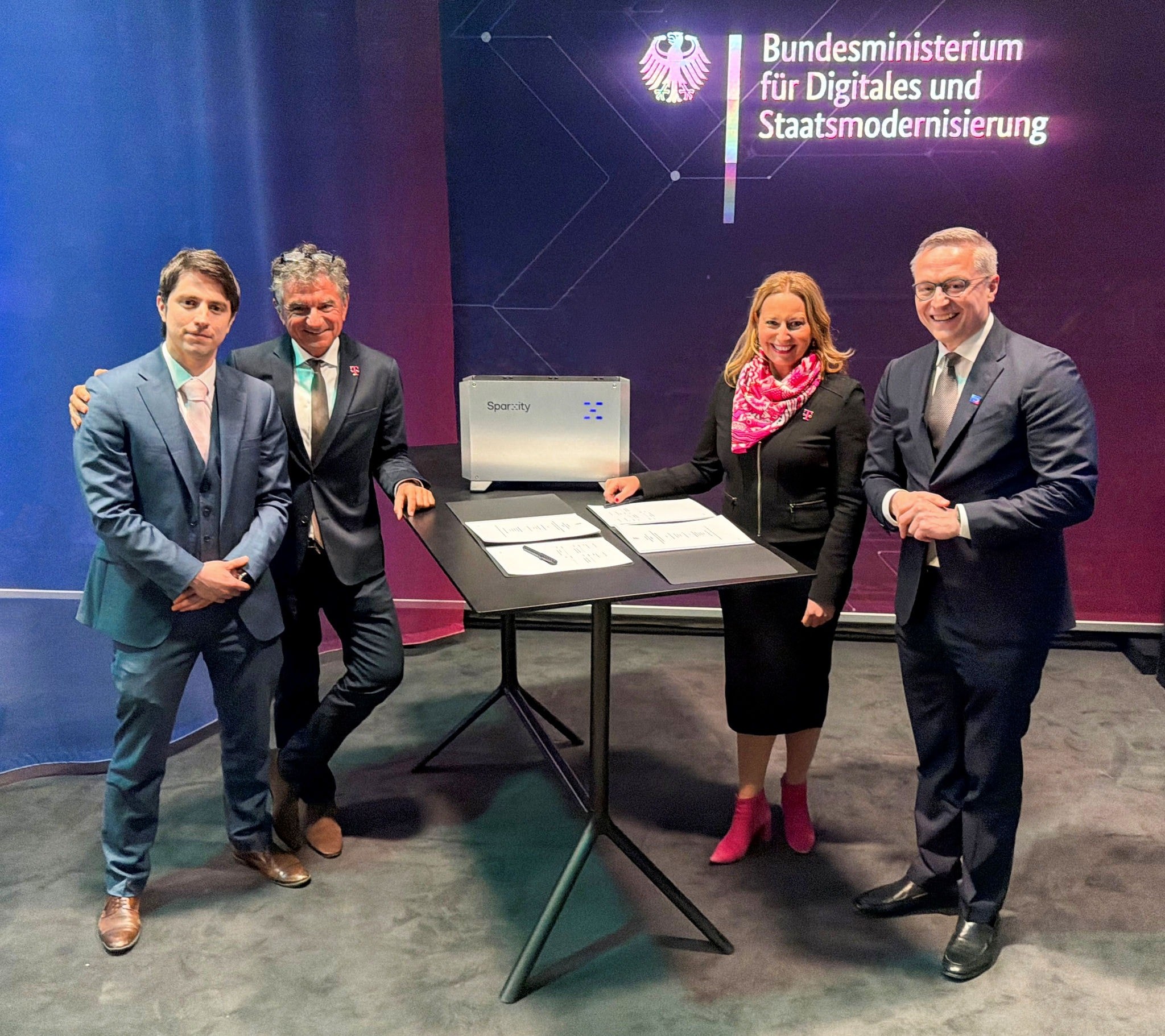
Dresden AI chipmaker Sparxity raises €33m Series A from Lockheed Martin, GlobalFoundries and the EIC Fund

Breaking Tech Europe: Top 5 – Optics11 Raises €50m to Guard Subsea Cables, AI Labs Sign Macron's Paris Call, and The Hague Doubles Its Scale-up Bet

Top European Startup Accelerators Worth Knowing

12/11/2026
35
Top European Startup Accelerators Worth Knowing

A strong accelerator can change the pace of a company in a matter of months. It can sharpen a founder’s story, introduce the first institutional investor, and create the accountability that turns early customer conversations into traction. But the top European startup accelerators are not interchangeable. Their value depends on your stage, sector, geography, and the people who will actually open doors when the program ends.

For founders across Europe, the choice also has a visibility dimension. The rooms where capital, hiring, and partnerships happen still do not reflect the breadth of talent building companies across the continent. Women founders and underrepresented operators should assess not just a program’s brand, but who gets funded, who mentors, who speaks on stage, and whose networks are being activated.

What makes an accelerator worth your time?

The best-known name is not automatically the best fit. A useful accelerator offers a combination of capital, concentrated feedback, credible investor access, and a peer group that understands the pressure of building at speed. It should help a company reach a clearly defined next milestone, whether that is validating a problem, finding repeatable demand, hiring a technical lead, or preparing a seed round.

Founders should also look carefully at the trade-off. Most programs take equity or use an investment structure with meaningful long-term implications. A three-month sprint can be enormously helpful, but it can also pull a team away from customers if the curriculum is too generic or the investor pitch becomes the only priority. The right question is not, “Is this accelerator prestigious?” It is, “Will this program materially improve our next 12 months?”

Top European startup accelerators to watch

These organizations are influential because they combine capital, operating experience, and networks across European markets. Program formats, investment terms, and locations can change, so founders should always review the current cohort requirements before applying.

Seedcamp

London-based Seedcamp has become one of Europe’s most recognizable early-stage platforms. It backs founders at pre-seed and seed stage and has built a broad portfolio across software, fintech, health, and other technology categories. Its appeal is the depth of its European founder and investor community, particularly for teams planning to expand beyond one home market.

Seedcamp can be especially relevant for companies that have a compelling early product and need help turning momentum into a fundable story. It is less about a one-size-fits-all classroom experience and more about becoming part of a long-term network. Founders should be ready to show ambition, clarity, and the ability to move quickly with feedback.

Entrepreneur First

Entrepreneur First, often known as EF, takes a distinct approach: it is built for exceptional individuals as much as established founding teams. Its model brings ambitious people together, helps them find co-founders, and supports them as they form companies from the ground up.

That makes EF a strong option for technical talent, domain specialists, and aspiring founders who know the problem space but have not yet found the right business partner. It can be less suitable for a team with a mature product and a clear operating rhythm that does not need co-founder formation. For women in technical and scientific fields, the quality of the local cohort and mentor mix is worth examining closely before committing.

Techstars

Techstars has a global name with programs and networks that have long been active across Europe. Its core proposition is familiar: mentorship-heavy acceleration, early capital, and access to a large international alumni community. The practical experience may vary significantly by program, however, because sector focus, managing directors, and local investor relationships shape each cohort.

For founders, that means the brand alone is not enough. Investigate the specific program team, recent portfolio companies, and the follow-on outcomes of startups similar to yours. A specialized program with relevant customers and operators can be far more valuable than a broader cohort in a market you do not plan to enter.

Antler

Antler operates across multiple international hubs and is particularly known for backing founders early, including before a company is fully formed. It combines founder matching, venture building, and capital for selected teams. Its geographic reach can be useful for founders thinking internationally from the start.

The model rewards pace and openness to iteration. It may work well for solo founders or newly formed teams that need structure, community, and early conviction. Teams that already have revenue, a settled cap table, and highly specific sector needs may find a more targeted accelerator or specialist investor more useful.

Startup Wise Guys

Startup Wise Guys grew from the Baltic ecosystem and has developed a strong reputation in business-to-business technology, with activity spanning areas such as fintech, cybersecurity, sustainability, and software. Its programs often appeal to founders looking for direct, practical support around sales, partnerships, and cross-border expansion.

Its European footprint matters because scaling a B2B company across the region requires more than translating a website. Procurement cycles, regulations, and buyer behavior differ market by market. An accelerator with operators who understand that complexity can save a young team from costly assumptions.

Founders Factory

Founders Factory combines investment with hands-on venture support. Its model can include access to specialists in product, growth, hiring, and commercial development, alongside corporate relationships in selected sectors. For startups that need practical operating capacity as well as capital, that can be a meaningful differentiator.

The fit depends on whether the firm’s platform, partners, and sector priorities align with your company. Founders should ask a direct question: which experts will work with us, how often, and what did that support change for recent companies? Vague promises of access are not the same as committed help.

How to choose the right program

Start by defining the constraint that is genuinely holding the company back. If the issue is co-founder chemistry, a founder-first program may make sense. If it is enterprise distribution, prioritize accelerators with credible commercial operators and customer introductions. If it is fundraising readiness, look for a platform whose portfolio has raised from the investors you want to meet.

Then conduct reference checks with care. Speak with at least three alumni: one whose company is thriving, one whose company had a difficult outcome, and one from a recent cohort. Ask how much time partners gave them, whether introductions led to real conversations, and what happened after demo day. The honest answer often sits between the marketing deck and the headline valuation.

For women founders, inclusion needs to be a practical diligence topic, not a box-ticking exercise. Look at the gender and backgrounds of investment decision-makers, mentors, and founders in recent cohorts. Ask whether the program has clear policies around harassment, reporting, and parental responsibilities. Consider whether its community creates introductions that lead to power, not merely visibility.

It is also worth reviewing the economics with a lawyer or experienced operator. Equity, pro rata rights, follow-on participation, and investor expectations can affect future rounds. Early capital is valuable, but a founder should understand the cost before signing up for a logo, a demo day, or a crowded calendar.

Build the network before the application

The most effective accelerator applications rarely begin on deadline day. Follow portfolio companies, attend ecosystem events, and speak to founders who have made the choice before you. Share a concise view of the problem you are solving, the evidence you have gathered, and the milestone you want to reach next.

A good accelerator should make a founder more capable and better connected without making them dependent on the program. Choose the place that expands your access to customers, capital, and peers - then keep building those relationships long after the cohort photo has disappeared from everyone’s feed.

Recent

© European Tech On Heels - 2026
Made with
Web Wings